One block is long enough for a mid-point re-test and a second progression cycle. Four weeks only captures noise. Fifty-two weeks without a rebuild date lets a stale plan run on.
Singapore · twelve-week coaching blocks
Progress you can read off a sheet of paper
A Singapore coaching studio that runs twelve-week blocks, measures everything at the start, and shows you the numbers again at week six and week twelve. If a programme is not moving, we rebuild it rather than ask you to try harder.
Assessment takes 75 minutes. You leave with your baseline numbers and a written plan, whether or not you train with us.
The studio
What the studio actually does
Fitnessjourneysg is a personal coaching studio in Singapore for working adults, typically between 28 and 55, who train two to four times a week around office hours, shift patterns, or childcare. Most people who book an assessment sit for most of the day, have an uneven training week, and want a plan that still stands up when a deadline or a flight lands in the middle of it.
What we sell is a twelve-week block, not an open-ended membership that simply lets you through the door. Each block starts with a 75-minute assessment, a written outline, and a set of baseline tests. You train to that outline. At week six we repeat the tests and rewrite the remaining weeks if the numbers have stalled.
Load decisions are made from those numbers, from how the session felt on an RPE scale, and from the log of sessions you actually attended. We do not keep a programme unchanged because it looked tidy on paper. If a lift, a row time, or a circumference band has not moved in the planned direction by the mid-point, the second half of the block is rebuilt.
- We are a good fit if you want a dated plan. Every block has a start week, a re-test week, and an exit review, so you always know which numbers are in play.
- We are a good fit if your diary is uneven. The assessment includes a schedule audit; we write two-session weeks when three would fail.
- We are a good fit if you prefer tables to slogans. You leave each checkpoint with a sheet you can read without us in the room.
- We are a good fit if you will train with medical clearance when needed. We coach exercise. We do not diagnose or treat; clients with medical conditions train with clearance from their doctor.
Planning figures
Numbers we plan around
We log a short set of figures every two weeks. The full baseline battery is repeated at week six and week twelve. The fortnightly notes catch missed weeks before they become a quarter of lost training.
Three progression weeks then one lighter week. The ratio keeps load climbing without stacking fatigue into the re-test. Deload is written into the calendar, not offered as a favour after you feel broken.
The first diagnostic is long enough for history, a screen, five tests, girths, and a conversation about the outline. A twenty-minute tour of the room is not an assessment.
These figures are planning constants, not slogans. Twelve weeks is the unit we invoice against and the unit we analyse. The six checkpoints are how we notice that a night-shift stretch has flattened your row time before the week-six table makes it official. The 3:1 week pattern is the default; we shorten a progression cycle if sleep debt or travel is already visible in the log. The 75-minute assessment is priced at S$120 and credited if you take a block. You still leave with the sheet if you do not.
From the record
Three programme breakdowns
Case profiles below are composite illustrations of how our twelve-week blocks are structured and what ranges we plan for. They are not testimonials and do not represent named clients.
Profile
Desk-bound strength reset
Starting picture: age band 34–42, seated work, 0–1 training sessions a week, low-back discomfort after long sits. The block is built around a goblet squat, a hinge pattern, and a 2 km row, with walking volume restored in the first month.
What we change first is frequency: two booked sessions a week, even if a four-day plan looked ambitious on paper. Then range on the squat, then load. Accessory work stays short so the week survives a late finish at the office.
| Metric | Week 0 | Week 12 (planned band) |
|---|---|---|
| Goblet squat 8RM | 12–16 kg | 24–32 kg |
| Dead-hang | 8–15 s | 25–40 s |
| 2 km row | 10:20–11:10 | 9:20–10:00 |
| Waking step count | 3,000–5,000 | 7,000–9,000 |
Profile
Return to running after a long gap
Starting picture: age band 30–38, ran regularly before a four-year gap, now aiming to complete 10 km without stopping. Strength work is the base; run minutes are added only after a calf-raise and hop-and-stick screen is passed.
| Metric | Week 0 | Week 12 (planned band) |
|---|---|---|
| Continuous run | 8–12 min | 28–40 min |
| Single-leg calf raise | 8–12 / side | 20–25 / side |
| Trap-bar deadlift 5RM | 40–55 kg | 70–85 kg |
| Resting HR | 68–76 bpm | 60–68 bpm |
Profile
Postnatal strength rebuild
Starting picture: six or more months after birth, training with medical clearance, aiming to restore supporting strength and steady-state work. We coach exercise; we do not diagnose or treat. Pelvic-floor or abdominal symptoms are referred back to the clinician who cleared the return.
| Metric | Week 0 | Week 12 (planned band) |
|---|---|---|
| Sit-to-stand 30 s | 12–16 | 18–24 |
| Suitcase carry 40 m | 8–12 kg | 16–20 kg |
| Incline push-up | 5–8 | 10–15 |
| Dead-hang | 5–12 s | 20–35 s |
Calendar
How a block runs
-
Assessment
Seventy-five minutes on the floor and at the table. You receive the baseline sheet, the five test scores, girths, and a draft twelve-week outline the same day. The S$120 fee is credited if you start a block. You keep the numbers even if you do not.
On paper you leave with: the test table, a note on constraints, and the proposed weekly frequency.
-
Baseline week
Week 1 repeats the session shape at conservative loads so we can see how you recover, not how brave the first hour looked. Technique notes go into the log. If a test from assessment does not repeat, we treat the lower figure as the true week-0 score.
On paper you leave with: confirmed loads for week 2 and any exercise substitutions.
-
Progression weeks 2–5
Three loading weeks and the first deload sit in this stretch. Main lifts move by small, dated jumps. Conditioning stays inside an RPE cap so that office weeks do not quietly empty the tank. Fortnightly checkpoints are logged even when the session felt ordinary.
On paper you leave with: the running lift table and a short note after each checkpoint.
-
Week 6 re-test and rebuild
We repeat the baseline battery under the same conditions we used in week 0. If a metric sits inside the planned band we keep the second-half outline. If it has not moved, we change the lift, the frequency, or the conditioning, and we write that change on the sheet. We do not ask you to try harder at the same plan.
On paper you leave with: week-0 versus week-6 table and the rebuilt weeks 7–12.
-
Weeks 7–12 and exit review
The second progression cycle uses the rebuilt plan. Week 12 repeats the tests. The exit review is a conversation about whether a second block is useful, and which metrics should stay as the new baseline. There is no automatic roll-over.
On paper you leave with: the full twelve-week table and a one-page note on what to keep if you train elsewhere for a while.
Formats
Programmes in one view
Format
One-to-one coaching block
Full technique control on every working set. The plan is rewritten around your log, not around a shared group line.
Best for
New lifters, postnatal return with clearance, anyone who needs the load changed in the room.
Frequency
2–3 sessions / week
Included
Assessment credit, written block, week-6 re-test, session log, technique notes.
From
S$2,880 / 12 weeks
Format
Pair coaching
Two people with similar aims share the hour. Progression is common; loads stay separate. Useful when a partner makes attendance more reliable.
Best for
Two colleagues or a couple who can keep the same diary.
Frequency
2 sessions / week
Included
Shared outline, individual loads, both re-tests, two written records.
From
S$1,680 / person
Format
Small group strength (max 4)
A fixed slot and one programme line. You still have your own baseline table. The room is capped so you are not waiting for a rack.
Best for
People who want a standing appointment and a lower fee.
Frequency
2 sessions / week, set times
Included
Group line, individual loads, week-6 re-test, attendance log.
From
S$1,080 / 12 weeks
Format
Remote programming
A written plan for the gym you already use, with a monthly check-in on the numbers. Suits travel-heavy weeks and people who cannot reach Kallang Bahru twice a week.
Best for
Shift workers on the road, or a home gym with a barbell.
Frequency
2–4 sessions / week, self-run
Included
Monthly video check-in, updated PDF, remote re-test protocol.
From
S$840 / 12 weeks
Format
Assessment only
The 75-minute diagnostic and a written outline, with no obligation to train here. Useful if you already have a gym and want a dated plan.
Best for
People who want the numbers first.
Frequency
One visit
Included
Screen, five tests, girths, twelve-week outline PDF.
From
S$120, one-off
The room
The studio
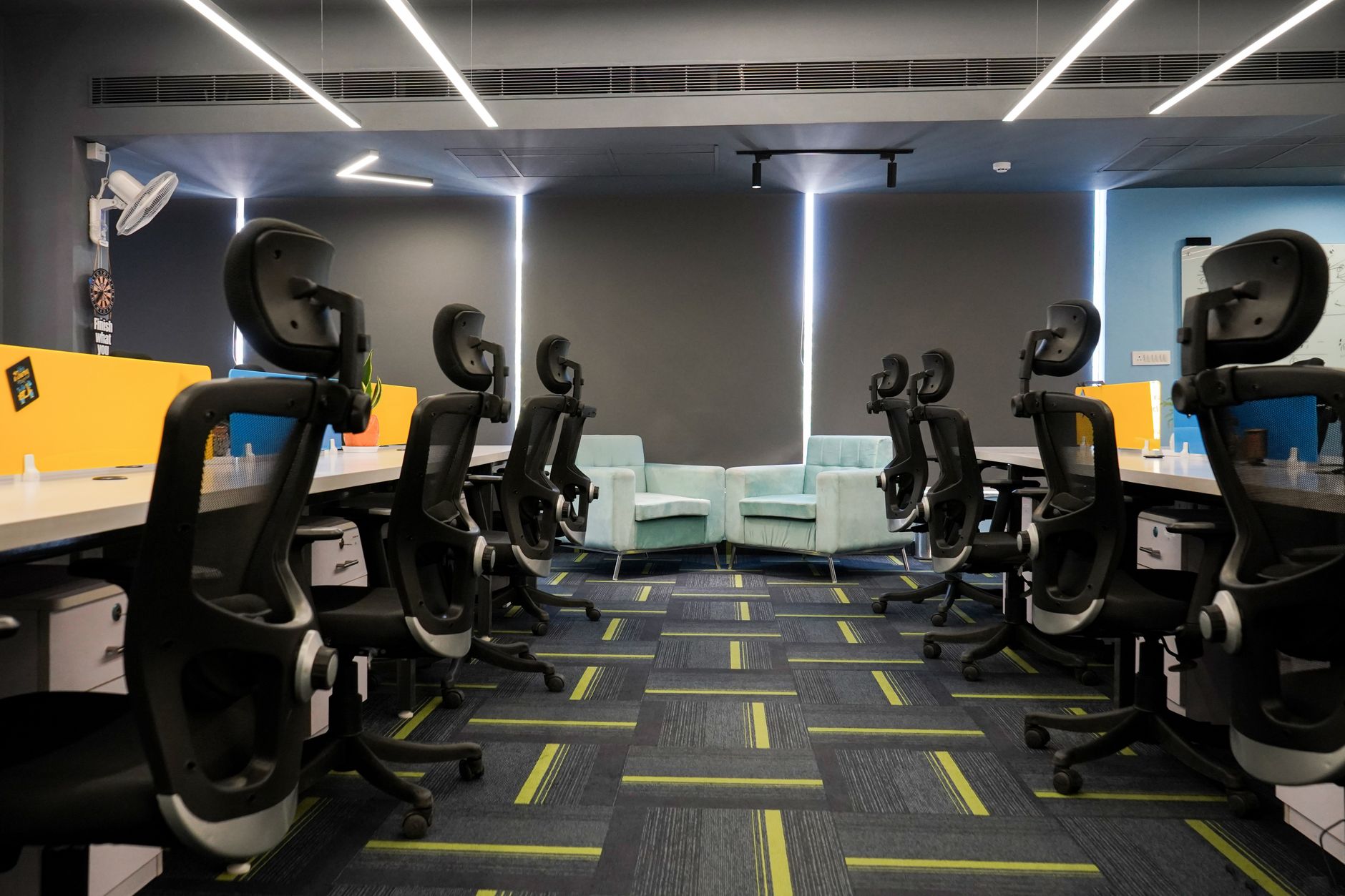
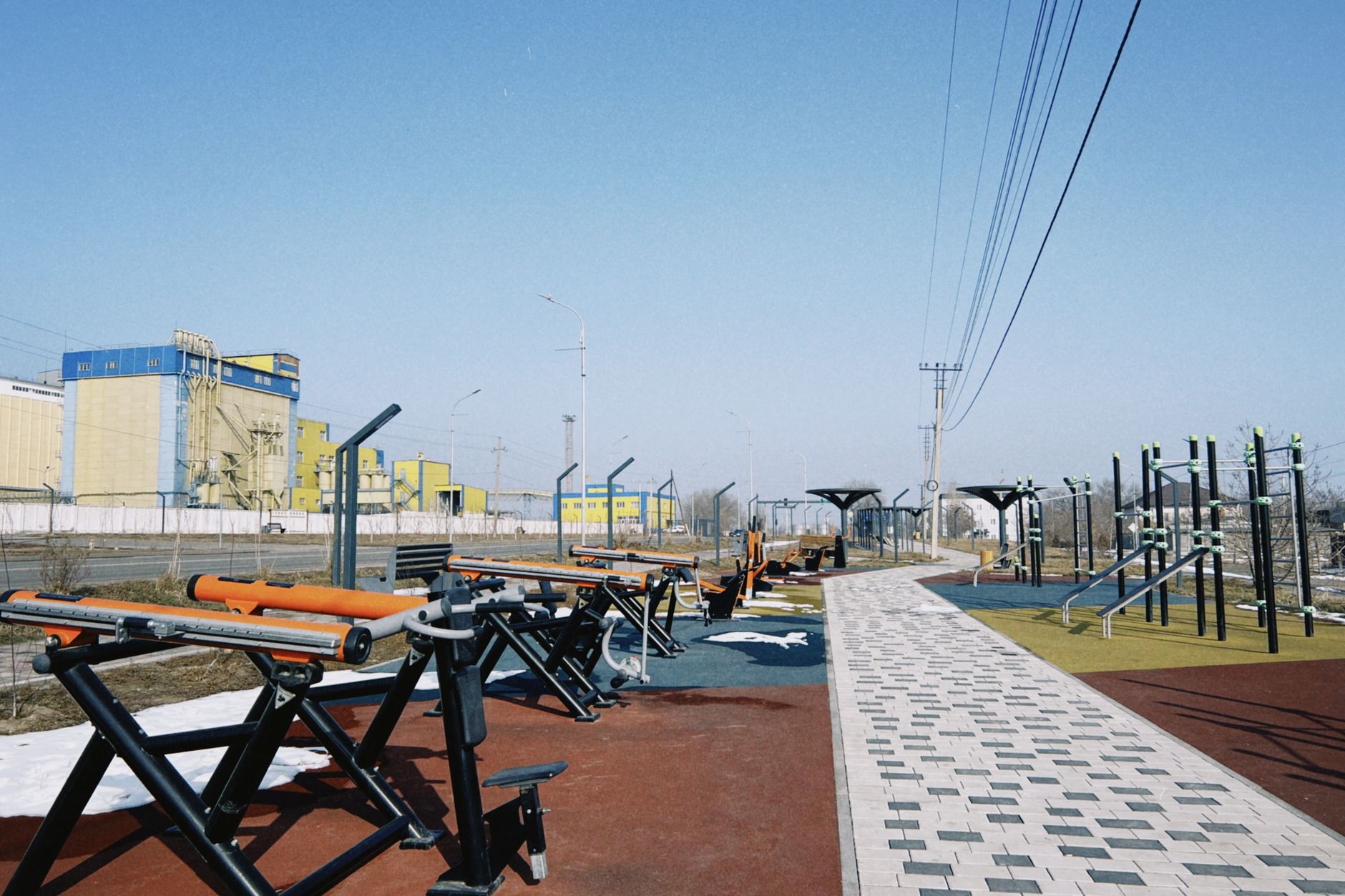
The coaching floor is on the third storey at 50 Kallang Bahru, a short walk from Lavender MRT. The room is booked by session, with a cap on how many people load a bar at once. Racks, dumbbells to 40 kg, kettlebells, rowers, an assault bike, a sled track and a tempo clock are the working kit. You will not find a cardio theatre or a drop-in weight pit.
Hours are 06:30–21:00 on weekdays and 07:00–15:00 on Saturday. Sunday is closed. Public holidays are by arrangement. Every session is reserved; there is no walk-in hour. Read the house rules and the equipment list on the studio page before you book if you want to know how the room is run.
Before you book
Questions that usually come first
I have never lifted anything heavier than a suitcase. Is this for me?
Yes. Tests are scaled to what you can already do. The first two weeks settle technique before load climbs. You will not be asked to match someone else’s numbers.
Do I need three sessions a week?
No. Two kept sessions are a valid frequency. We would rather write a two-session week you can keep than a three-session week you miss. The assessment includes a schedule audit.
I have a bad knee. Can I still train here?
We coach exercise; we do not diagnose or treat. Train with clearance from your doctor. With that clearance we can often change stance, range or exercise choice. We are not a physiotherapy clinic.
What if I travel for three weeks?
Tell us before the block starts. We write a reduced plan for those weeks and keep the original tests for the weeks you are on the floor. We do not restart the twelve weeks from zero when you return.
Next step
Book the 75-minute assessment
Send a request with your current training week and any limits you already know. We reply within one working day with two or three assessment slots. You leave that visit with baseline numbers and a written outline, whether or not you take a block.